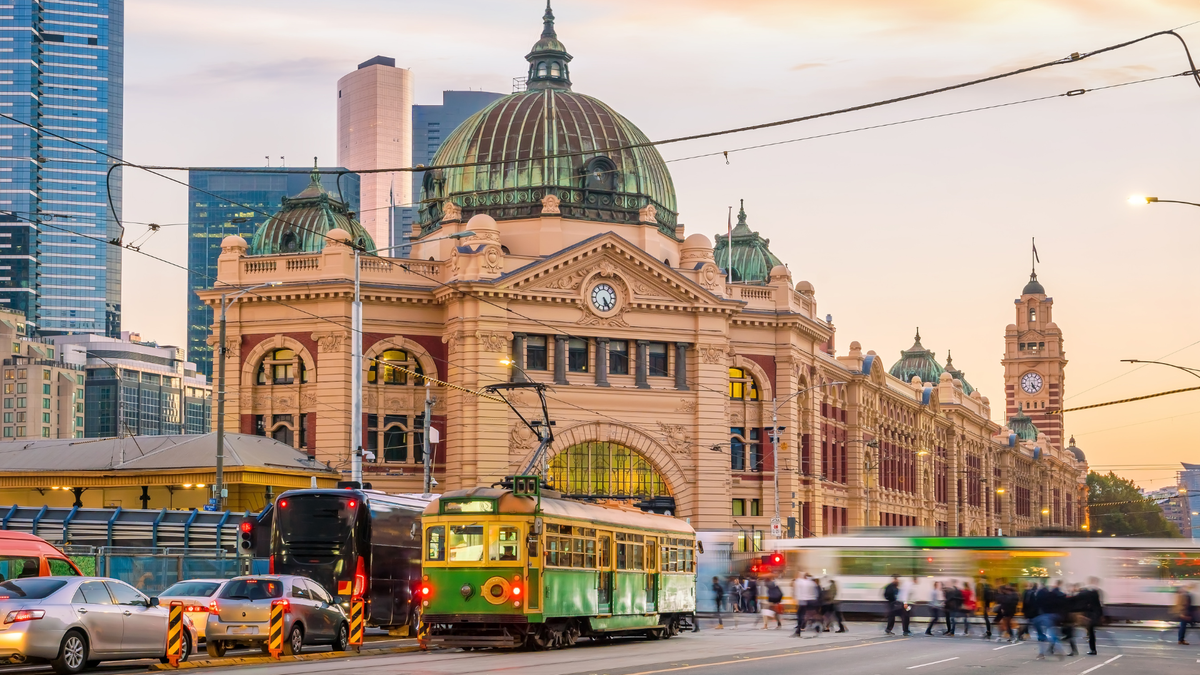
Melbourne isn’t cheap, but in 2026 it’s a city that gives you plenty for your money. House and unit prices are rising, but still more affordable than Sydney or Brisbane, while rent, groceries, and transport are manageable. With great schools, culture, and vibrant neighbourhoods, Melbourne offers a lifestyle that’s hard to beat.
In this guide, we break down the cost of living in Melbourne in 2026, from house and unit prices to transport, groceries, and dining out. You’ll also see how much you’ll need to earn to live comfortably in Melbourne.
Average house prices Melbourne for 2026
If you’re asking “How much does it cost to buy a house in Melbourne?” the lists below show the median house prices and median unit prices across different Melbourne regions. It also shows how much those prices have changed since last year.
House prices in Melbourne by region
| Region of Melbourne | Median House Prices September 2025 | Annual Change |
|---|---|---|
| Melbourne - Inner | $1,410,000 | 4.4% |
| Melbourne - West | $690,000 | 3.3% |
| Melbourne - North West | $741,000 | 6.2% |
| Melbourne - North East | $817,050 | 4.8% |
| Melbourne - Inner East | $1,711,000 | -0.2% |
| Melbourne - Outer East | $980,000 | 3.7% |
| Melbourne - Inner South | $1,585,000 | 5.3% |
| Melbourne - South East | $810,000 | 5.2% |
| Mornington Peninsula | $895,000 | 5.3% |
| Source: Domain House Price Report, 2025 | ||
Unit prices in Melbourne by region
| Region of Melbourne | Median Unit Prices September 2025 | Annual Change |
|---|---|---|
| Melbourne - Inner | $542,000 | -2.3% |
| Melbourne - West | $465,000 | 0.0% |
| Melbourne - North West | $581,500 | 16.3% |
| Melbourne - North East | $605,000 | 2.5% |
| Melbourne - Inner East | $640,000 | -0.8% |
| Melbourne - Outer East | $700,000 | 4.9% |
| Melbourne - Inner South | $669,500 | 3.8% |
| Melbourne - South East | $580,000 | 4.7% |
| Mornington Peninsula | $605,486 | 4.4% |
| Source: Domain House Price Report, 2025 | ||
The median house price in Melbourne sits around $1.11 million. Luckily, growth has slowed and experts predict prices to ease slightly over the year.
Melbourne’s unit prices have seen only modest increases, with the median unit price across Melbourne being $601,000.
Melbourne rental prices in 2026
As of late 2025, the median rent in Melbourne is:
- Houses: $580 per week
- 3-bedroom houses: $825 per week
- Units: $580 per week
- 2-bedroom units: $725 per week
Of course, prices will depend on where you rent. Western Melbourne suburbs like Melton and Werribee are cheaper than East and South East Melbourne suburbs like Toorak and Glen Waverley. Compare suburbs in our Glen Waverley vs Brunswick vs Croydon guide.
Average bills per month in Melbourne
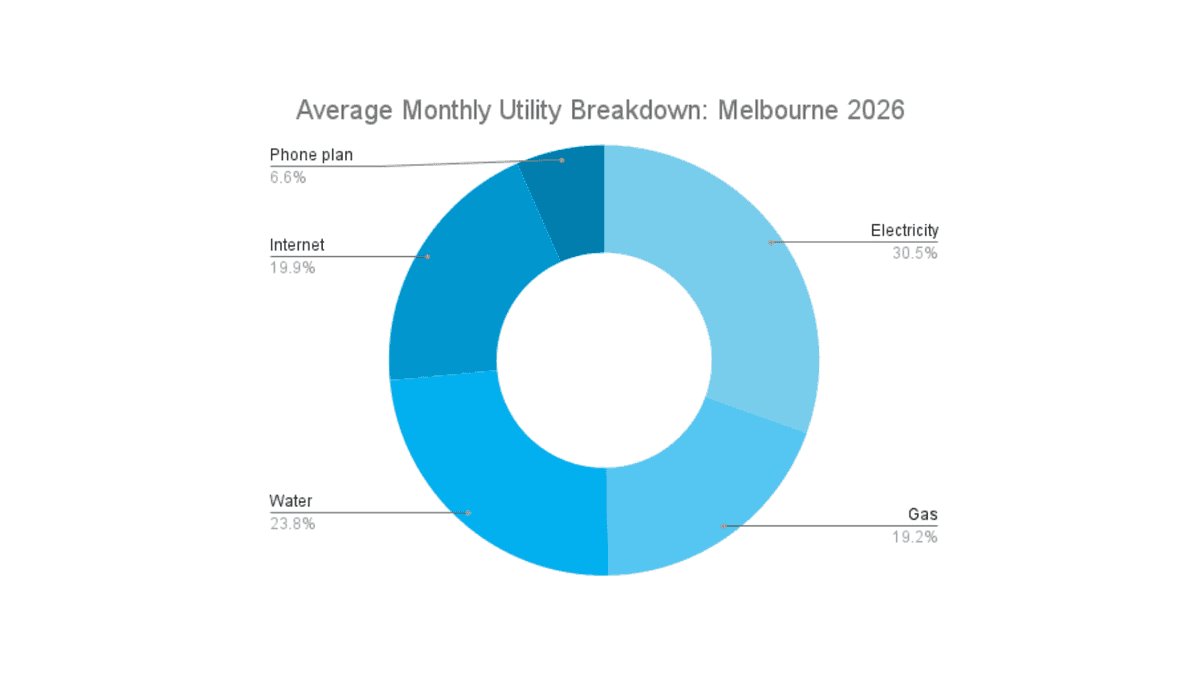
You also need to factor in bills and utilities into your budget. Here are the average rates for utilities in 2026 for a typical household (2–3 people):
- Electricity: Estimated around $1200 – $1,547 a year depending on provider and usage. Typical Melbourne electricity rates range from the mid-20s to low-30s cents per kWh.
- Gas: $72.50/month or $870/year (Wattever)
- Water: $85–$95 per month (ESC Victoria)
- Internet (NBN Unlimited): Median price of $70 to $80 per month
- Mobile phone plan: $25/month per mobile user
In total, utilities and communications for a typical household should cost you around $350–450/month.
Removalist costs in Melbourne
Moving to or within Melbourne is a lot easier with professional Melbourne removalists. Experienced interstate and local removalists know how to navigate Melbourne’s busy roads to make the process faster, easier and safer.
The cost of removalists in Melbourne will depend on how much you’re moving and where you’re moving to. On average, local Melbourne removalists are usually $150–$200 per hour. You might spend a few more hundred for extra services like packing and wrapping.
Average transport cost in Melbourne
Melbourne is well connected, but it’s one of the most expensive cities in Australia for transport. On average, Melbourne households are spending $535 a week, or $27,862 a year on transport. That includes everything from car loan payments and fuel to parking and public transport.
Public transport costs
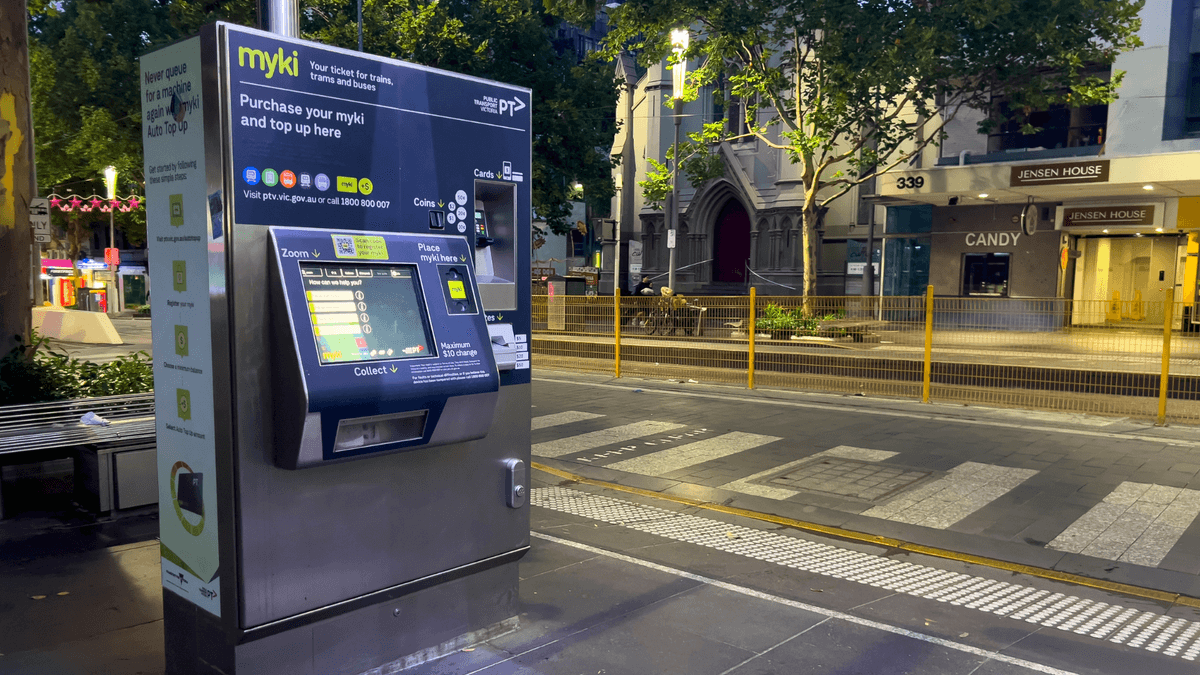
Public transport costs are easy to calculate thanks to the Myki card network that caps daily and weekly fares. As of 1 January 2026:
- Daily cap: $11.40 (Zone 1+2), $7.20 (Zone 2)
- Weekends/public holidays: $8
- Weekly cap: $57 (With 7-day Myki pass)
So you’ll spend a maximum of around $220 a month on the Myki network.
Driving and road tolls
The average price of regular unleaded fuel in Melbourne is 164.1 cents per litre (Jan 2026).
Melbourne may not have as many tolls roads as Sydney, but it does have Australia’s most expensive toll road, with the CityLink costing over $12 for a single trip. Tolls in Melbourne range from $3–$12 for a single trip.
Grocery costs in Melbourne
Households in Victoria spend on average $212 per week on groceries or $848 per month. Most of these expenses come from fruit and eggs.
Average cost to dine out in Melbourne
- Average restaurant meal (per person): $20–$30
- Fast‑food combo meal (e.g., McDonald’s): $15–$20
- Three‑course meal for two at a mid‑range restaurant: $80–$120+
- Coffee (regular cafe coffee): $4–$6
- Beer (draught, bottle): $10–$13
- Soft drink (330 ml bottle): $3–$5
- Bottled water (330 ml): $3–$4
Non-essential spending costs
Of course, you can’t forget to account for the little splurges in life. Here are the typical ranges for the most popular lifestyle costs in Melbourne:
- Gym memberships: $60–100/month (varies widely)
- Healthcare (if not bulk billed): $80–120+ for GP visits.
- Subscriptions, entertainment, going out: Highly variable but generally more expensive than other Australian cities.
How much salary do you need to live in Melbourne in 2026?
Here’s a rough estimate of the monthly spend for a single person living in Melbourne:
| Expense | Estimated Monthly Cost (2026) |
|---|---|
| Rent (1-bed, inner city) | $2,200–3,200 |
| Utilities | $350–450 |
| Transport | $160–250 |
| Groceries | $600–800 |
| Lifestyle | $200–500 |
Estimated monthly total: $3,400–5,100
To live comfortably in Melbourne in 2026 without feeling stretched, you may need a gross annual salary of $90,000–130,000, depending on your location and lifestyle. These figures are a guide only and actual costs will depend on your personal spending habits.
Moving to Melbourne
Melbourne’s cost of living is high, but the city makes up for it with great career opportunities, a vibrant culture, and a lifestyle you won’t find anywhere else in Australia. This guide gives you a realistic starting point to understand your budget living in Melbourne.
When it comes to moving, Holloway Removals & Storage are the best removalists Melbourne has to offer. With over a decade of experience in Melbourne moves, we’ll get your belongings safely to your new home.
FAQs about the cost of living in Melbourne (2026)
1. Is Melbourne an expensive city to live in?
Yes. Melbourne is Australia’s third most expensive city, with high housing, rental, transport, and lifestyle costs. In 2026, rent prices continue to rise because of strong demand and limited supply.
2. What salary do you need to live comfortably in Melbourne?
A single person typically needs $90,000–$130,000 a year to live comfortably, depending on location and lifestyle. Couples can manage on less per person if they share living costs.
3. Why is Melbourne’s cost of living so high?
Melbourne is expensive mainly because housing costs are high. There’s strong population growth, and the high demand but limited supply for inner-city living push prices up. Plus, everyday costs like groceries and utilities have increased due to inflation.
4. Is it cheaper to live in Melbourne or Sydney?
Yes. It’s cheaper to live in Melbourne than Sydney. Rent, property, dining out and entertainment prices are generally lower, even though prices have risen in both cities.
5. Are grocery prices going up in Melbourne?
Yes. Grocery prices in Melbourne are still increasing due to supply chain disruption, and higher production and transport costs. Most households spend around $200 a week on groceries.
6. Will Melbourne rent prices drop in 2026?
Probably not. Rent prices in Melbourne are expected to rise by 6.8% in 2026. Demand is still stronger than supply, especially in popular inner-city areas.
7. Is public transport cheaper than driving in Melbourne?
For most people, yes. Public transport is usually cheaper than driving because Myki fares are capped. Driving can cost more once you factor in fuel, parking, and tolls.