The self-storage industry is one of the fastest growing sectors in real estate. Surprisingly, whether in times of economic boom or hardships, demand for self-storage units stays strong.
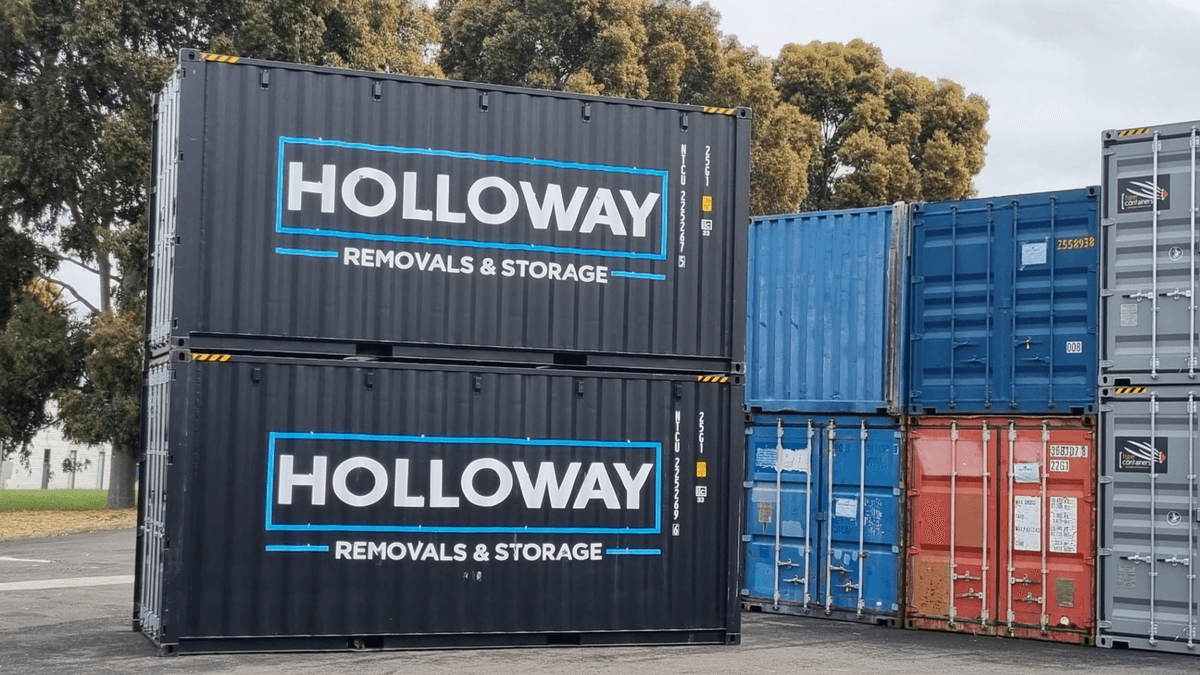
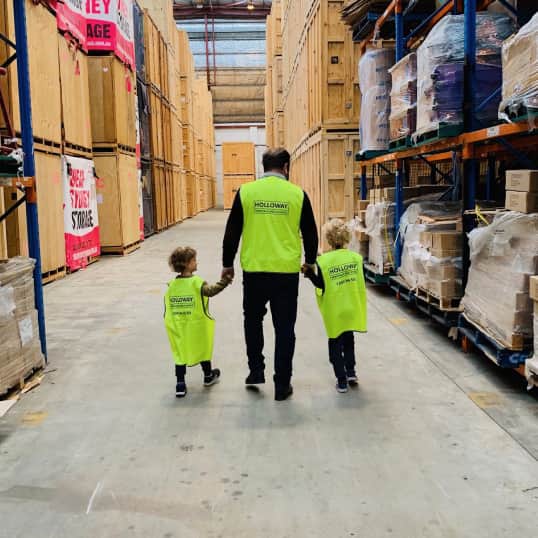
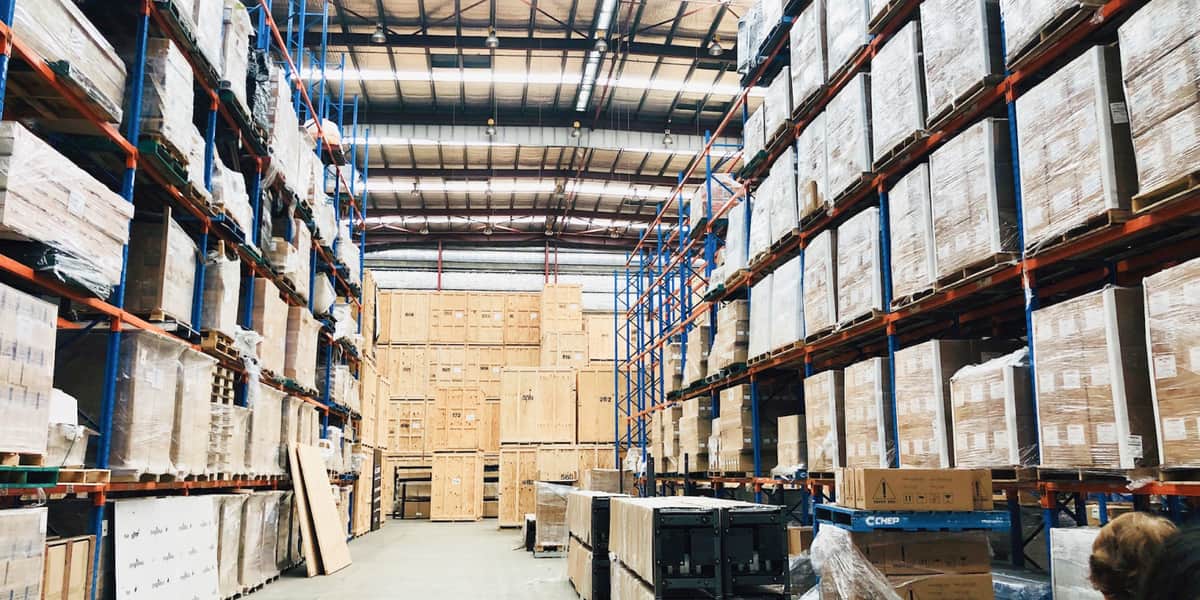
What's behind those rows of roll-up doors or inside those neatly stacked containers? Here's everything you need to know about the self-storage industry in Australia: where it came from, who uses it, and what people are actually keeping inside.
A brief history of self-storage
Storage isn't a modern invention. The first ever documented storage spaces date back to ancient China. Communities dug underground pits to store and preserve food. Centuries later, during the Middle Ages, British bankers offered crate services to nobles and dignitaries heading abroad for extended periods. Their belongings were locked away in guarded stables until their return.
Modern self-storage as we know it only emerged in the 20th century. These purpose-built rental facilities began offering individuals and businesses flexible, affordable extra space. Since then, the industry has evolved significantly. Today, you’ll find units of all different sizes, from basic outdoor lockers to climate-controlled, CCTV-monitored warehouses.
Why do people rent a self-storage unit?
The most common reason people rent a storage unit in Australia is simply because they run out of space at home. The most common reasons include:
- Moving homes or offices — storage gives a buffer between leaving one home and settling into another.
- Home renovation — protects furniture and belongings from dust and damage.
- Downsizing — storing items that no longer fit at home.
- Running a small business — online retailers and small businesses use storage units to hold inventory, avoiding the cost of a commercial warehouse.
- Storing seasonal items — for holiday decorations, sporting equipment, and winter clothing.
- Keeping documents and records — people and businesses store files and archives securely off-site.
What do people keep in self-storage units?
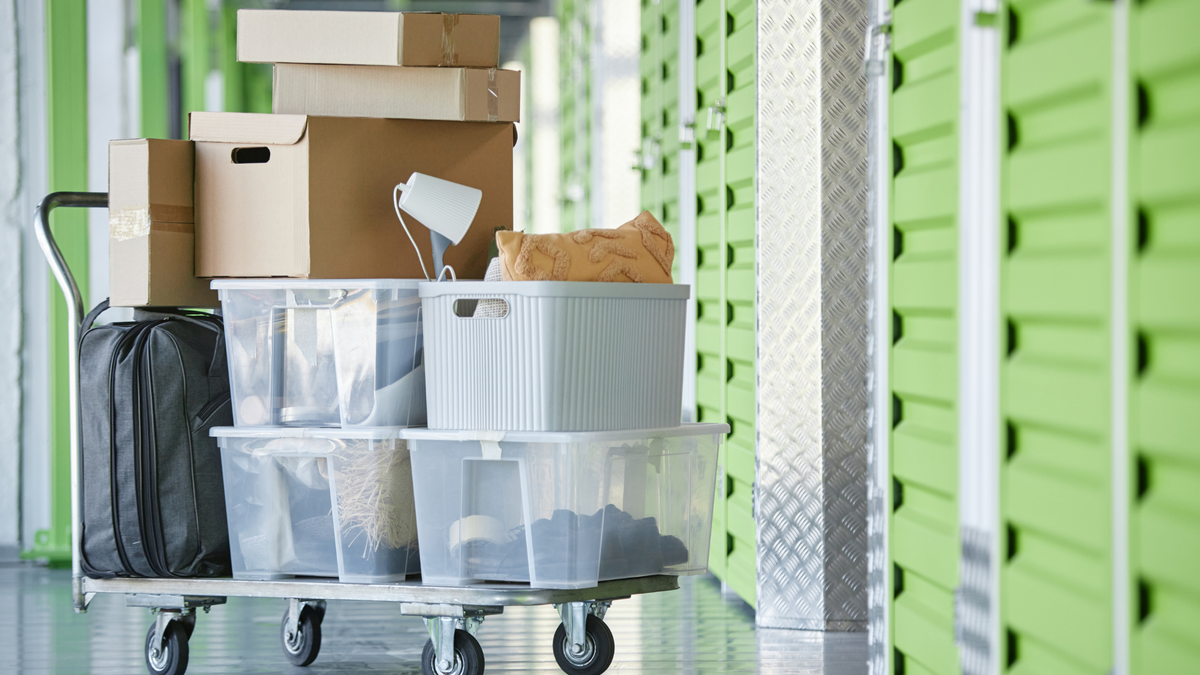
You can often put whatever you want in self-storage units in Australia. The most commonly stored items fall into these categories:
Furniture and household items — Beds, dining tables, sofas, and other large pieces are the most common items stored in Australian external storage facilities.
Appliances and electronics — Refrigerators, washing machines, TVs, audio equipment, and older computers.
Documents and memorabilia — Important paperwork like legal documents, alongside family photographs, wedding keepsakes, and personal archives — items too valuable to discard but not needed daily.
Valuables & collectibles — Antique furniture, jewellery, rare artwork, collections, kept in climate-controlled units to protect sensitive items.
Interesting facts about the self-storage industry
The self-storage industry has a few surprises up its sleeve.
- It's bigger than Hollywood. The US self-storage industry generates more annual revenue than the entire American film industry!
- Australia's industry is valued at $20 billion. It's more widespread than you might think. There are over 3,300 storage facilities across Australasia, with 697,000 storage units, and over 7 million square metres of net storage area.
- Australians are very aware of self-storage. Around 80% of Australian and New Zealand adults are aware of self-storage as a service. It’s a high figure for what many think is a niche industry.
- Shrinking homes are driving demand. More high-rise apartments and compact homes get built. This means available storage space in those homes has shrunk, pushing more Australians towards storing their items in a self storage unit offsite.
- Storage auctions happen here too. When a renter abandons a unit, Australian facilities can auction the contents. Most of these auctions are online through platforms like iBidOnStorage.
Self-storage trends to watch
The Australian self-storage industry isn't standing still. It’s growing bigger and better than ever as large housing with enough storage space becomes a rarity. Check out these key storage industry trends that are shaping how storage is being used.
Climate-controlled units are becoming the norm. As people store more sensitive items like electronics, wine, artwork, documents, and antique furniture, demand for temperature regulated units has risen. What was once a premium add-on is now the baseline standard at many modern facilities.
Technology is transforming the experience. App-based access, digital keypads, remote management, and online booking have made renting and accessing a unit far more convenient. Some facilities now operate with minimal on-site staff. They rely on smart locks and camera systems.
Urban micro-storage is growing. As city living becomes more common and apartment sizes shrink, demand for smaller, conveniently located storage units has risen. Facilities now offer locker-sized units and are closer to dense areas.
Business use is on the rise. The explosion of e-commerce and small business activity has made storage units more popular. So now, many storage facilities now offer parcel acceptance, extended access hours, and larger drive-up units.
Ready to rent a storage unit?
Whether you're planning a move, clearing space at home, or need a secure place to store business inventory, a self-storage unit can be a practical, cost-effective solution. Browse available storage units near you to compare sizes, prices, and features, and find the right space for your needs.