So, you’ve decided to move to a Melbourne CBD apartment. How exciting! Or maybe you’re still comparing the best Melbourne suburbs to see which one suits you. Either way, it’s important to know that moving into a high-rise in postcode 3000 is very different from moving into a suburban house.
Here’s everything you need to know before moving into a Melbourne CBD apartment, including lift and loading zone logistics, building rules, and what living in the CBD is really like.
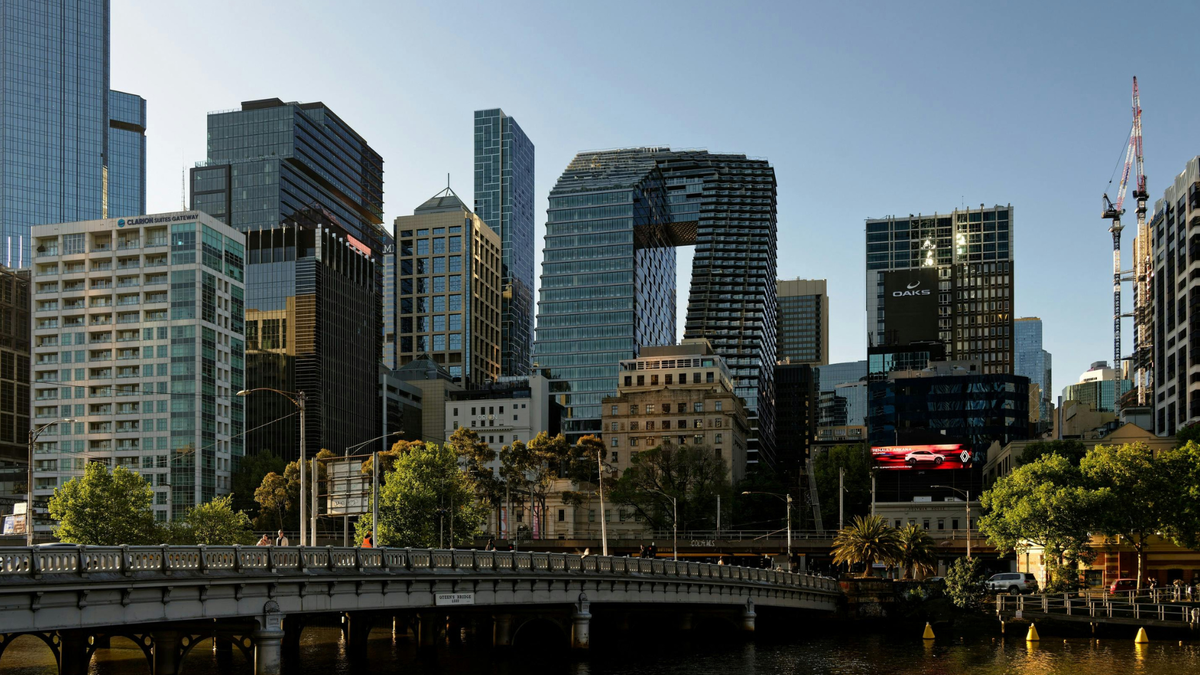
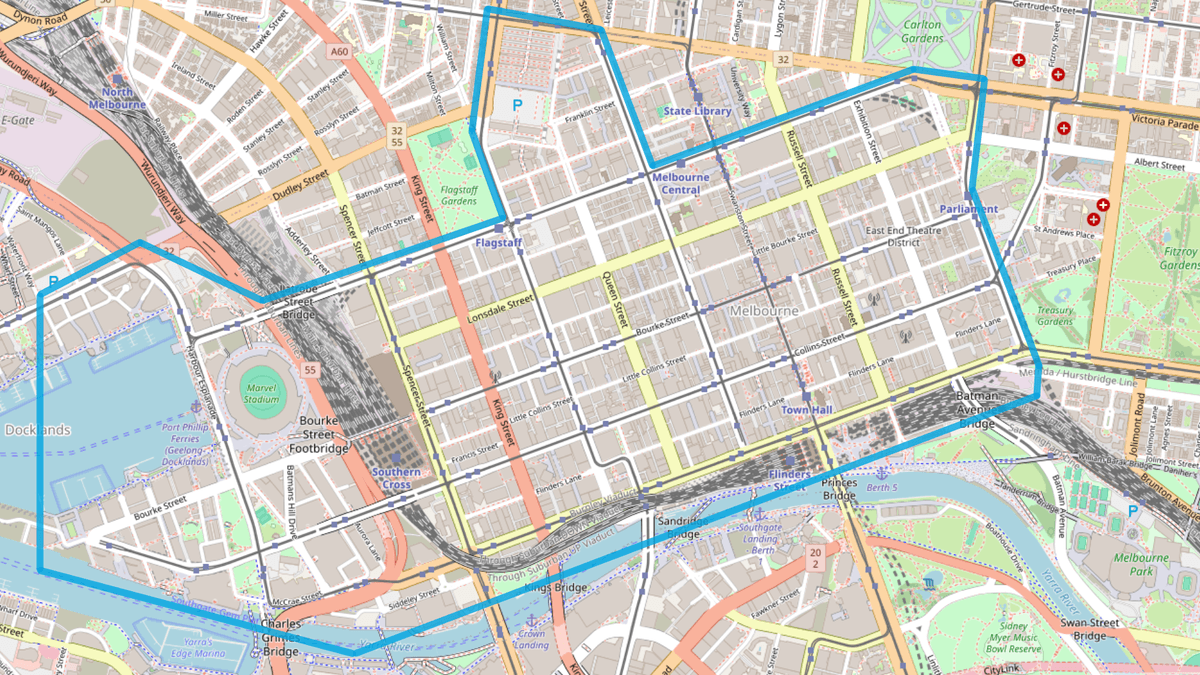
Where exactly is “Melbourne CBD”?
When people say “Melbourne CBD”, they usually mean the Hoddle Grid: the city’s central rectangle bordered by Flinders Street, Spencer Street, La Trobe Street and Spring Street. But some buildings marketed as “CBD” are a bit outside this border, including:
Why does this matter for your move? The closer you are to the heart of the city, the busier and trickier moving day can get. Meaning your move may need more planning that a building just outside the CBD core.
Even if your lease says “Melbourne CBD,” not all locations are equal. It’s important to understand where your apartment actually sits to help you prepare for how smooth (or stressful) your move will be.
If you’re a student wondering which areas suit your lifestyle and budget, check out our Melbourne student moving guide for advice.
What’s different about Melbourne CBD apartment moves?
Moving to a CBD apartment needs quite a bit of planning and coordination with building management before the moving truck even arrives. Here are moving logistics to look out for:
1. You must book the service lift
Most Melbourne CBD apartments have rules around using lifts to move in or out. Check with your building manager whether you need:
- Advance lift booking (usually 1–2 weeks ahead)
- A refundable lift bond
- Proof of removalist insurance
- Protective padding inside the lift
If you’re moving at the end of a lease period (January and June are peak times), book the lifts and protective padding early.
2. Strict moving hours apply
Unlike moving to a home or unit in Melbourne’s outer suburbs, CBD apartments usually have time restrictions. Many buildings only allow moves on weekdays, during business hours and/or not on public holidays. You might have limited weekend move availability. Don’t book your removalist until you’ve secured written approval from building management.
3. Loading zones are timed and limited
Melbourne CBD is tricky for moving trucks. It’s full of clearways, tram-only lanes, timed loading bays, narrow laneways and one-way streets. Your furniture removalists will only have a small window to park.
Some laneways may even be too small for the moving truck to fit and your movers may need to trolley your furniture from a nearby street.
Even if your Melbourne removalist is experienced in CBD apartment moves, it would help to give your removalist these details:
- Exact building address
- Nearest legal loading zone
- Height or width restrictions of nearby streets
- Concierge or building contact details
If you’re moving interstate to Melbourne, these logistics become even more important, as you won’t be able to easily fix last-minute issues on moving day.
Building rules you’ll need to follow
Even if you’re renting, building management rules still apply to you. In most Melbourne CBD apartments, that means you have to follow rules such as:
- No leaving items in hallways
- No visible storage on balconies
- Pet restrictions
The easiest way to avoid fines is to ask your building management for the move-in policy before the big day.
What it’s really like living in the Melbourne CBD
Living in the Melbourne CBD is an exciting experience full of convenience and energy. There are small trade-offs, but it’s easy to settle in and enjoy the CBD life with a little planning. Below are answers to common questions you may have about what living in Melbourne CBD is like.
How noisy is it to live in the Melbourne CBD?
Living in Melbourne CBD can be noisy, especially near Swanston, Collins, Bourke or Elizabeth Street. You’ll hear the trams, late-night crowds, and the occasional sirens. It’s all part of city living really.
Luckily, most modern high-rises have good soundproofing to reduce most of the street noise.
Tips for handling CBD noise:
- Install block-out curtains to reduce street sound
- Use rugs or soft furnishings to minimise internal echoes
- Try white noise machines for sleeping
Do you need a car in Melbourne CBD?
Many CBD residents don’t need cars. You’re inside the Free Tram Zone, plus Flinders Street and Southern Cross stations connect you everywhere. Melbourne is a very walkable city and it’s easy to access groceries, gyms and cafés
You’ll only really need a car if you work outside train lines or travel regionally often. But keep in mind that many CBD apartments have limited dedicated parking spaces and street parking.
How big are Melbourne CBD apartments?
Melbourne CBD apartments are generally smaller than in the outer suburbs. Residents choose location over space. That’s how the city fits over 58,000 residents in the Hoddle Grid alone.
The CBD North has a whopping population density of around 42,000 people per square kilometre, making it Australia’s densest area, according to the Australian Bureau of Statistics. Middle-ring suburb Glen Waverley, by comparison, has just 2,000–3,000 people per square kilometre. It’s clear why the CBD units need to be so small.
So, plan for a smaller footprint. Measure all your furniture and declutter before you move to make life much easier when you move in.
Melbourne CBD apartment types by precinct
| Precinct | 1 Bedroom | 2 Bedroom | 3 Bedroom+ |
|---|---|---|---|
| CBD North | 33% | 54% | 7% |
| CBD East | 31% | 52% | 9% |
| CBD West | 33% | 54% | 6% |
| CBD on average | 32% | 53% | 7% |
Your Melbourne CBD moving checklist
Make sure your move to Melbourne CBD is stress-free by double checking the following before moving day:
- Lift booking secured in writing
- Move-in time window approved
- Proof of removalist insurance
- Loading zone plan confirmed
- Keys and fobs collected before truck arrival
- Furniture measured for lift access
- Electricity and internet connected
Is moving to a Melbourne CBD apartment worth it?
Yes, moving to a Melbourne CBD apartment is worth it if you love the hustle and bustle and being in the heart of the city. You get unmatched convenience and the exciting energy of city life right outside your door. While you do trade a bit of space and quiet for this lifestyle, it’s all part of the appeal.
With some thoughtful planning and communicating with your removalist in Melbourne, settling in can be smooth and stress-free.
Frequently asked questions: Moving to a Melbourne CBD apartment
Do you need to book a lift when moving into a Melbourne city apartment?
Yes. Most CBD apartment buildings require you to book the lift in advance, often 1–2 weeks prior. You may also need to pay a refundable bond or give proof of removalist insurance.
Are Melbourne CBD apartments smaller than suburban apartments?
Generally, yes. Melbourne city apartments prioritise convenience over space, so layouts tend to be more compact compared to middle-ring or outer-suburban homes. Most CBD residents live in 2-bedroom units.
Do removalists need special permits to park in Melbourne CBD?
Moving trucks must use legal loading zones and comply with timed restrictions, clearways and tram lane rules. Experienced Melbourne removalists will plan for this in advance.
Is Docklands or Southbank considered Melbourne CBD?
They are often marketed as CBD, but technically sit just outside the traditional Hoddle Grid.