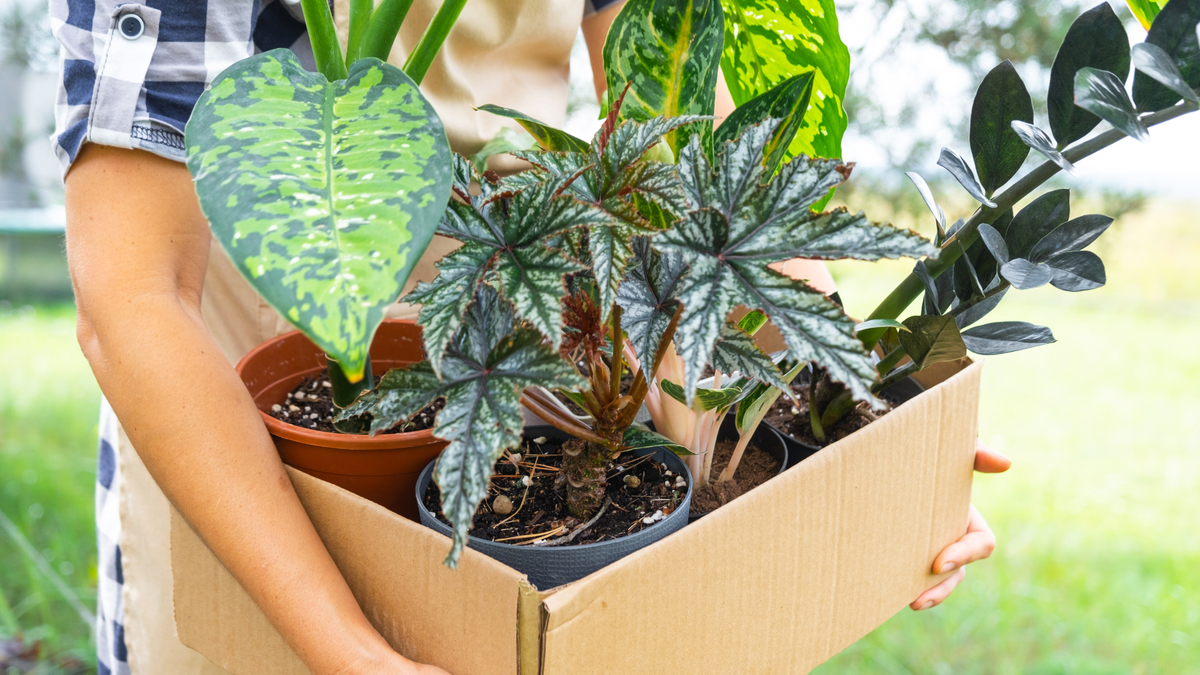
If you're planning an interstate move, your plants probably aren't at the top of your checklist. But they should be.
As interstate removalists, we speak to many customers who find out too late that their plants need to travel separately, or can't travel at all.
In the year to September 2025, over 105,000 NSW residents moved to another state. But many people don't know that moving plants interstate in Australia comes with two headaches. For one, plants are heavy, fragile, and messy. Most removalists won't take them for this reason. Second, plants are a biosecurity risk, and what's allowed to cross state borders depends on the state.
But most household plants can make the trip with a bit of planning. This guide covers what's allowed into each state, how to get a Plant Health Certificate if you need one, how to pack plants for transport, and what to do if a plant can't come with you.
Can you move plants interstate in Australia?
For most household plants, yes. But the rules depend on the plant, the state you're headed to, and whether you've sorted the paperwork first.
Risk factors: Soil, pests and mess
Plants carry soil, and soil carries risk. Even a pot plant sitting in the back of a truck or train carriage can introduce pests or pathogens that damage local agriculture or native ecosystems.
Each state sets its own rules around what can cross its borders, what treatment is needed, and what paperwork has to go with it. What's fine in one state isn't necessarily fine in another.
Most Sydney removalists won’t transport plants, soil or food interstate. To do so, you need specific biosecurity accreditation that standard removalists don't hold. Plants are also just messy to move — soil spills, pots crack, water leaks onto other things in the truck.
For most interstate moves, your plants will need to be handled separately from everything else.
If you're not sure how to plan around this, get in touch with our team and we can help you think through the logistics.

Plant quarantine rules by state: What's allowed where
Western Australia, Tasmania, and the Northern Territory are the strictest. All plant material coming in from interstate needs permits (like a Plant Health Certificate), treatment, or more information on what you’re bringing in.
Queensland, South Australia, and Victoria are more case-by-case. Their rules kick in for specific plant types, pest zones, or fruit fly risk areas.
If you're driving interstate with your belongings, you might pass through quarantine checkpoints on the main highways. Inspectors are actively looking for restricted plants and produce.
If you arrive with something you shouldn't have, you'll need to surrender it on the spot. South Australia has zero tolerance. If you're carrying restricted material, you will be fined, no exceptions.
Start by checking with the Australian Interstate Quarantine website. It has a state by state breakdown and downloadable guide.
You can also call the Exotic Plant Pest Hotline on 1800 084 881 during business hours.
Summary table of interstate plant quarantine rules by state
Yes = Allowed | Permit = Permit required | No = Not allowed
| Moving to | NSW | QLD | NT | VIC | TAS | SA | WA |
|---|---|---|---|---|---|---|---|
| House/pot plants, cuttings, or nursery stock | Permit (Yes if from TAS) | Permit | Permit | Permit | Permit | Permit | Permit |
| Soil | No | No | No | Permit | No | No | No |
| Cut flowers and foliage | Yes (No if from WA) | Yes (Permit if from WA) | Permit | Permit needed (Yes if from TAS) | Permit | Permit | Permit |
| Bulbs, corms (dormant) | Yes (No if from VIC or WA) | Yes (Permit if from VIC) | Yes | Yes (Permit if from WA) | Permit | Yes (Permit if from WA) | Permit |
| Fruit & veg plants and seedlings | Permit needed (Yes if from TAS) | Permit | Permit | Permit | Permit | Permit | Permit |
How to get a Plant Health Certificate for interstate moves
If the state you’re moving to requires certification, you either need a Plant Health Certificate, a Plant Health Assurance Certificate, or a Biosecure HACCP Biosecurity Certificate. These confirm your plants are free from pests, diseases, and weeds.
To get one, contact your state's quarantine authority and arrange for a government inspector to assess your plants.
Build it into your moving checklist at least a few weeks out.
Honestly, for a handful of pot plants, most people decide it's not worth it. The process means arranging an inspector, paying fees, and waiting for approval.
It might be easier to just take cuttings, give plants to neighbours, or buy new ones at your destination.
Treating plants for pests before moving interstate
Whether or not you need certification, treat your plants for pests and disease a few weeks before the move.
What inspectors look for
Border checkpoint officers and inspectors are looking for live insects, soil irregularities, and signs of disease. A plant can look fine from above but still get flagged.
Check the undersides of leaves and the soil surface. If you find anything, treat with an appropriate insecticide well before moving day.
Treatment timing
Treat at least 2-3 weeks before your move to allow time for any residual pests to show up or for treatment to fully work.
How to pack plants for interstate transport
- Water 2-3 days before moving day. Waterlogged soil is heavier and harder on the plant in transit.
- Prune dead or damaged leaves before packing.
- Repot in advance if needed. If your destination state requires clean potting mix, repot well in advance so the plant has time to settle.
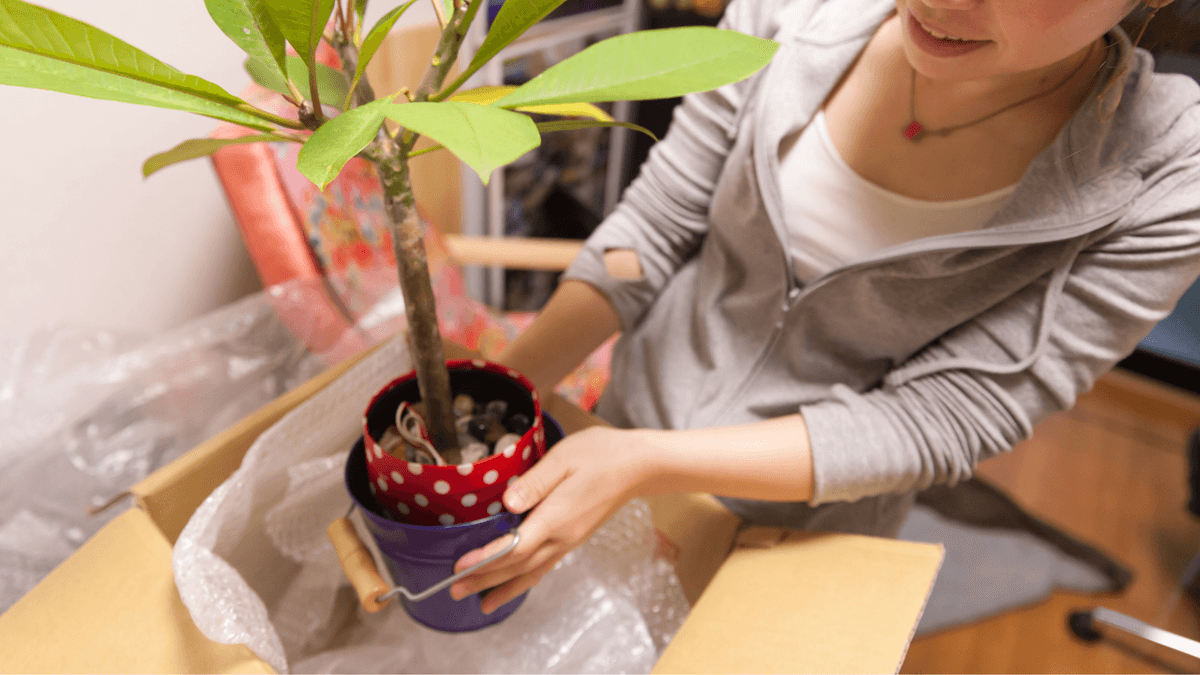
- Pack in open-top boxes so they get airflow during transport.
- Use packing paper to stabilise pots and stop them shifting in the box.
- Keep plants in the passenger cabin if driving. The temperature is more stable and the ventilation is better than the boot.
Read our full guide on how to safely pack plants for moving.
If some plants can't travel with you
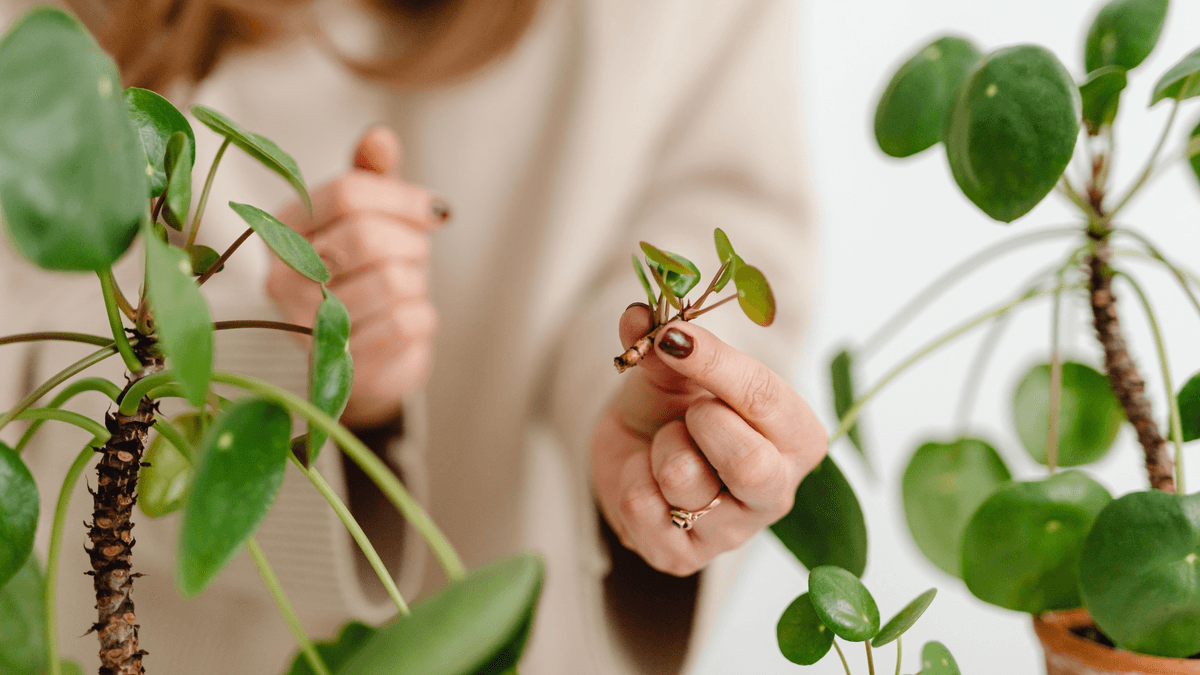
For plants that can't be cleared, but have sentimental value, take cuttings of that plant instead.
For most common houseplants, a cutting wrapped in damp paper towel in a sealed bag (without soil) can travel with you in your vehicle or as carry-on luggage. Cuttings without soil are treated differently under most state rules, so check your destination's requirements first.
For everything else, give to neighbours, a local plant swap group, or a nursery.
Planning an interstate move from Sydney?
If you're planning an interstate move from Sydney and need help thinking through the logistics of what can and can't travel with you, our team at Holloway Removals can point you in the right direction.
We handle the furniture and household goods side of the move, but we're happy to help you think through the full picture. Get a quote for your interstate move today.