
More and more families and young professionals have been leaving Melbourne and moving to regional Victoria. They’re chasing bigger homes and a better work-life balance.
Melbourne is actually one of the biggest contributors to people leaving capital cities, making up 33% of city-to-region movers, second only to Sydney. Overall, more people are leaving the city than moving in.
Could this be the right time for you to make the same move? Here’s a clear look at why people are moving out of Melbourne into regional Victoria, which towns they’re moving to, and how you can plan a smooth regional move.
Why move to regional Victoria?
Affordability is the biggest reason people are moving to regional Victoria. House and rent prices are much lower in areas like Geelong and Ballarat Central compared to Melbourne city. But that’s not all. People are also looking for more space, stronger community and better balance.
- For families: Regional Victoria has larger homes, excellent schools and tight-knit communities. All without the ever-rising Melbourne price tag.
- For young professionals: It’s easier to enter the property market in regional Victoria. With remote work still popular, there are less reasons to stay in the stuffy Melbourne metro area.
Regional towns still have strong amenities like healthcare, retail and dining, just without the traffic and intensity of the capital city.
Where are people moving to?
While every town has its own appeal, some are attracting Melbourne movers more than others.
Wodonga
Wodonga had the strongest net migration growth in Australia in 2025. Located on the north-east border of Victoria, near New South Wales, it’s benefitting from growing transport, education, health and defence infrastructure. This is bringing more job opportunities and a strong local economy.

Greater Geelong
Greater Geelong has always been a top choice for regional towns because it’s close to both Melbourne and the coast. It accounts for almost 8% of total internal migration to regions. It’s the second most popular destination behind the Sunshine Coast!

Moorabool Shire
Moorabool is the laid-back middle ground between Melbourne, Geelong and Ballarat. Popular townships like Bacchus Marsh and Ballan are the perfect spot for families and young professionals to enjoy slower pace while staying close enough to major cities.
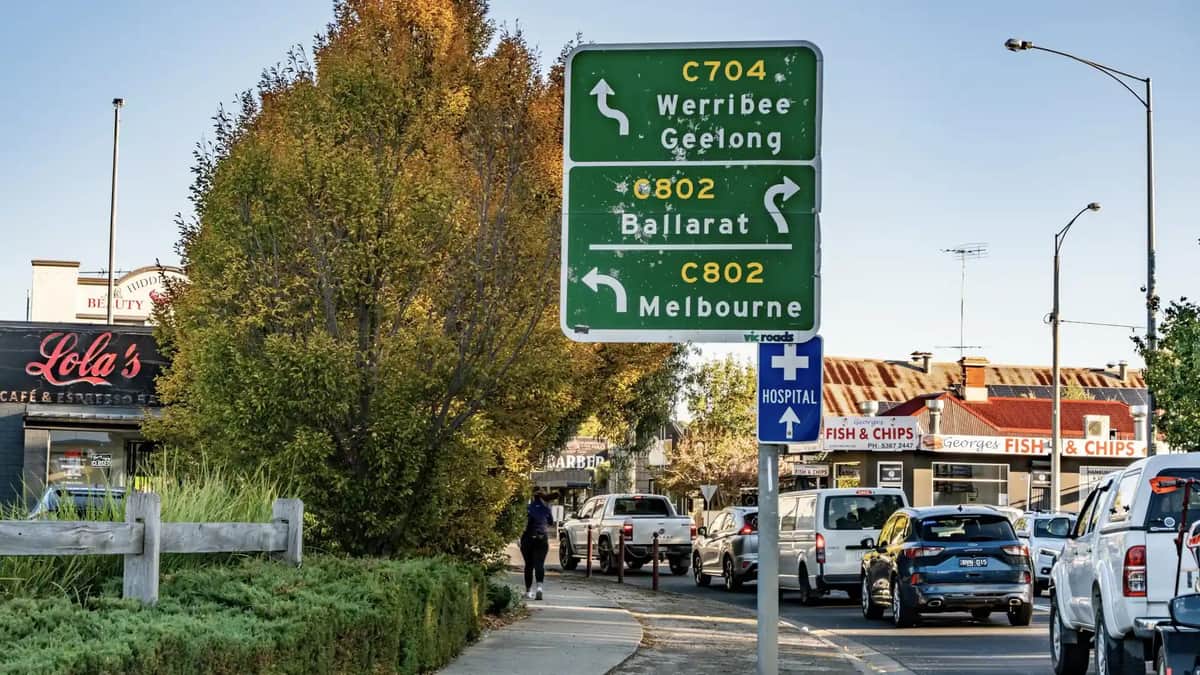
Ballarat
Ballarat offers heritage charm, affordability and a growing remote-work population. It’s popular with young families looking for established schools and character homes.

Bendigo
Bendigo is a larger regional hub, with a strong arts scene and expanding infrastructure.

Shepparton
Shepparton has strong job opportunities in agriculture and regional industries, although it's further from Melbourne.
Pro tip: Your ideal town will depend on your budget, work situation, and how connected you want to stay to Melbourne.

Things to Know Before Moving from Melbourne to Regional Victoria
A regional move is different from a standard metro relocation. There are practical and lifestyle factors to weigh up carefully.
Employment and Commute
If you’re fully remote, regional living is easy. But if your job requires occasional travel into Melbourne, commute times matter. For example:
- Geelong: ~1 hour to Melbourne
- Ballarat and Bendigo: Slightly longer but manageable via train or freeway
Your need to be connected to other areas will influence where you choose to settle.
Schools and Community
One of the biggest advantages of regional Victoria is access to strong local schools and community networks.
Before you make the move, check out local school zones and childcare options. Regional towns are known for getting involved and looking out for each other, but moving with kids takes a lot of careful planning.
Lifestyle Expectations
Regional Victoria offers a more laidback life that generally includes:
- More space and access to nature
- Less traffic and easier parking
- Shorter commutes within town centres
- More connected neighbourhoods
However, there may be fewer late-night services, less public transport coverage and less entertainment options. The trade-off is worthwhile, but it’s important to understand the shift.
How Much Does It Cost to Move to Regional Victoria?
The cost of moving from Melbourne to regional Victoria depends on distance, the volume of belongings, and your Melbourne removalists.
- Distance: Closer moves (e.g. to Geelong) are cheaper because it takes less fuel and travel time.
- Volume: The more furniture you have, the larger the truck and longer the job, which increases cost.
- Property access: Narrow driveways, stairs, or no parking can add to the job time.
- Timing: Weekends, peak seasons, or short‑notice bookings can push removalist quotes toward the higher end.
Regional Victoria Removalist Costs by Truck Size
The pricing below is a typical base hourly rate for truck size and crew. For regional Victoria moves, you usually pay an additional rate per kilometre on top of this.
| Truck type | Base cost* | Best for |
|---|---|---|
| 2 men + small truck | $180 – $220 | 1–2 bedroom moves |
| 2 men + medium truck | $200 – $240 | 2–3 bedroom moves |
| 2 men + large truck | $210 – $250 | Larger homes |
| *Prices are a guide and vary depending on distance, timing and moving company. Always get a detailed quote from an experienced Melbourne removalist. | ||
Planning a smooth regional move
Regional moves require a little more preparation than local relocations.
Book removalists early: Peak moving seasons fill up quickly, and longer distances make scheduling trickier than within Melbourne.
Declutter: Moving fewer items reduces both transport costs and unpacking time, even if your new home has more space.
Check access: Regional and rural properties can have long driveways or tricky roads. Plan ahead to avoid delays on moving day.
Need Help Moving to Regional Victoria?
Moving beyond metro Melbourne requires careful planning and experience.
As removalists in Melbourne, we regularly help families and young professionals make the move to Geelong, Ballarat, Bendigo and other parts of regional Victoria. Get a free personalised quote and practical tips to make your move as stress-free as possible.